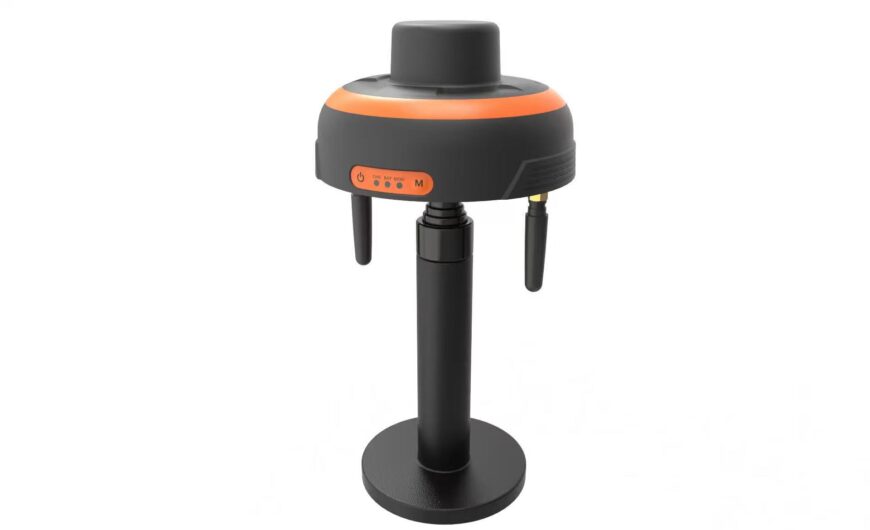
Building a Skydroid Mission Stack: RTK, Gimbal and Avionics in One Aircraft
The integration view of a Skydroid aircraft: link first, then RTK base station, gimbal payload and S3 or S3-A autopilot, with a worked survey build and the mistakes we see.

The integration view of a Skydroid aircraft: link first, then RTK base station, gimbal payload and S3 or S3-A autopilot, with a worked survey build and the mistakes we see.
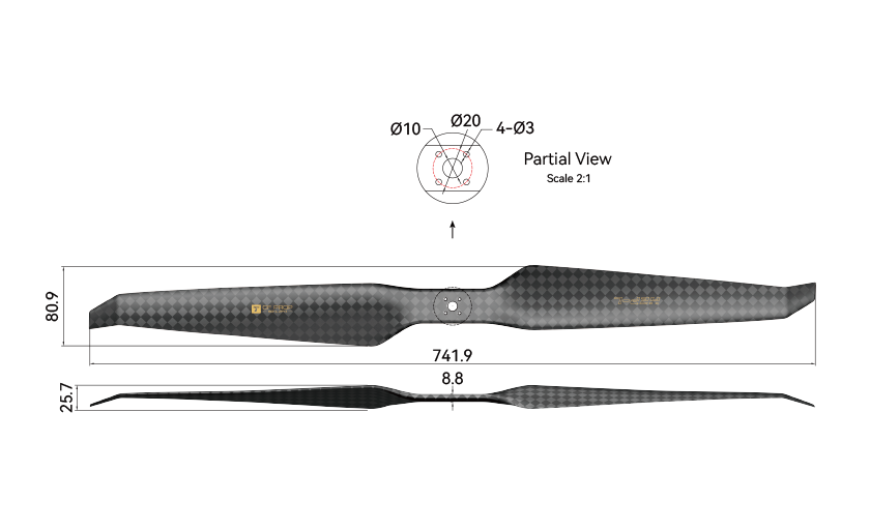
How to size a UAV ESC against real motor current, why the propeller has to be fixed before the ESC, and how FOC, telemetry, HEP-L props and quick-release adapters fit together.
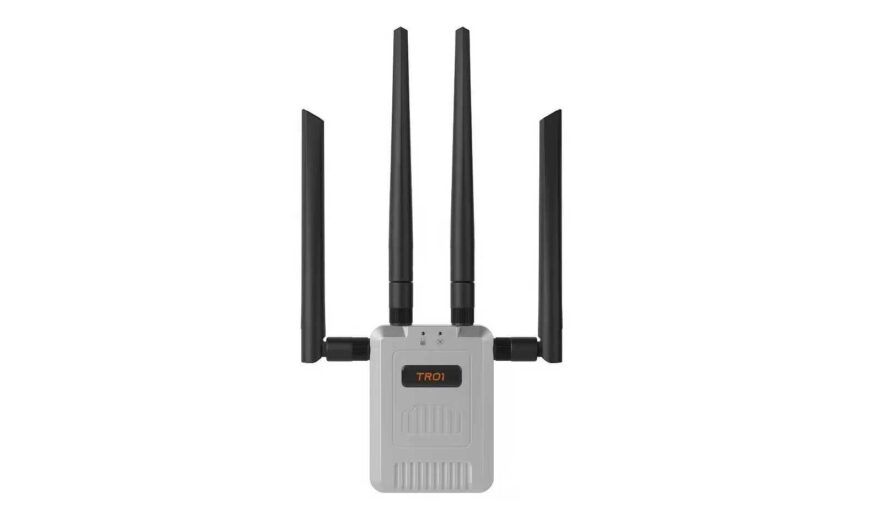
Why drone links drop, what relays, repeaters and antennas each actually do, how video transmission boxes fit in, and how to pick the right fix for terrain and range.

What is inside a matched UAV propulsion set, when it beats buying parts separately, how to size one, and which X-series, A10 or AirGear kit fits your airframe.
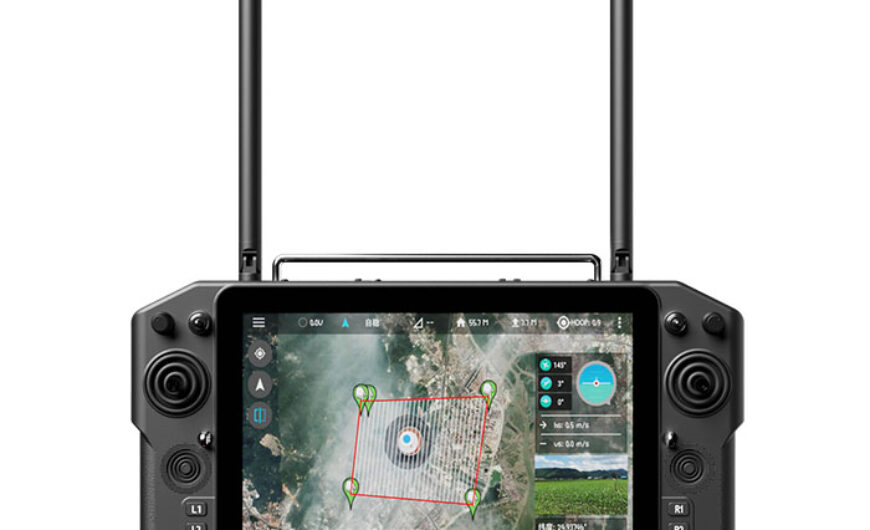
How to choose a Skydroid controller and video link by mission: entry G11 up to the G20 ground station, plus relays, antennas, RTK, gimbals and the S3 autopilot.
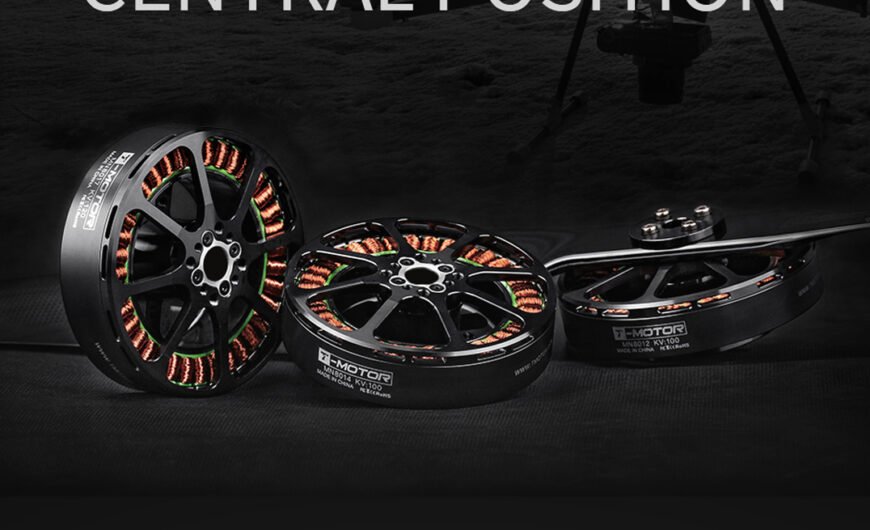
A working guide to UAV motor selection: start from all-up weight, read thrust tables at the hover point, then match the ESC and propeller. Includes the mistakes we correct most often.

When purchasing or using a plant protection drone, the fuselage is just a part, and the motor is like the core, while aspects such as fixed liquid capacity, flight duration, spray stability, and maintenance frequency are also crucial.Choosing the wrong motor will bring three aspects of adverse consequences: the flight…
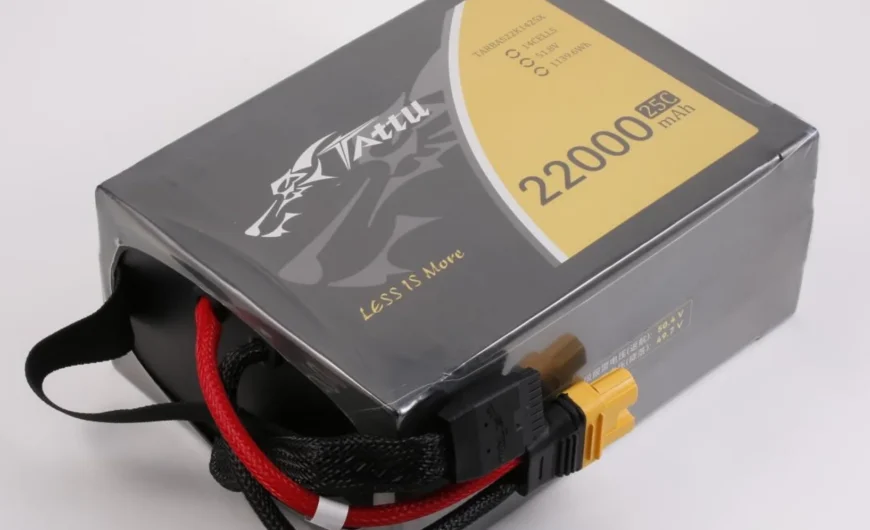
Essentials for Selecting Agricultural Drone Batteries: Analysis of Voltage, Capacity, and Return on Investment Starting Part Agricultural drones are widely used in agriculture. Choosing the appropriate battery is an important factor related to work efficiency, downtime and income. This guide focuses on related aspects for discussion. The battery voltage of…

For pilots, educators, and teams running micro drone programs — whether it’s FPV racing, drone soccer, or classroom training — battery management is a constant bottleneck. You need fast, safe, and scalable charging that keeps up with high-frequency flight sessions. That’s exactly why we built the Tattu TA75.

Table of ContentsWhy Modern Commercial Drones Need 14S High-Voltage Smart BatteriesFull Technical Specs of Tattu 4.0 20000mAh 14S1P LiPo BatteryKey Advantages: 14S 53.2V vs Traditional 12S Drone Battery3 Core Breakthroughs of Tattu Smart 4.0 Battery TechnologyTop Industrial UAV Applications for Tattu 4.0 20Ah BatteryCharging & Maintenance Tips to Extend Battery…
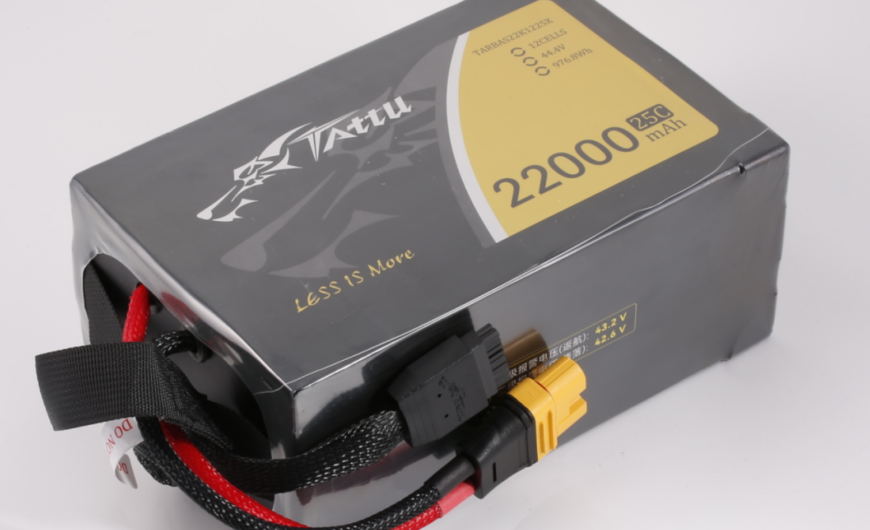
Quick answer: UHV packs push each cell to 3.95V, so a 12S pack runs 47.4V instead of 44.4V and an 18S pack 68.4-71.1V. The gain is current: 3,000W at 68.4V draws 43.9A against 67.6A at 44.4V, a 35% reduction in current and heat, which is why heavy-lift and agricultural platforms…
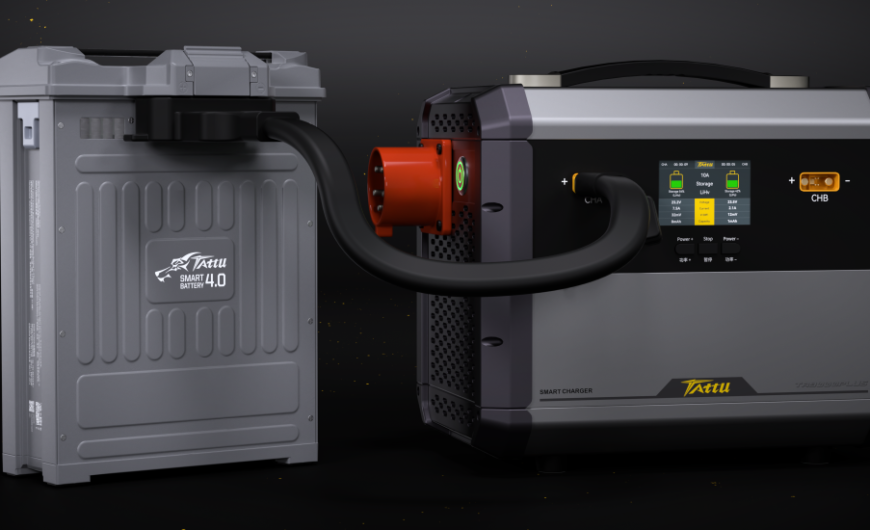
Quick answer: For most commercial UAV work - agriculture, inspection, mapping - semi-solid state wins: 300-350Wh/kg against 200-250Wh/kg means 20-75% more energy in the same pack weight and 30-40% longer flights. Choose traditional LiPo only when you need high burst current, 15-160C against 5-10C, or a lower purchase price, since…
0 items in the cart (€0.00)