
Drone Battery Charging and Storage: What Shortens Pack Life
Drone battery care: storage voltage, charge rate and the habits that quietly shorten pack life, plus how to pick a charger that fits.

Drone battery care: storage voltage, charge rate and the habits that quietly shorten pack life, plus how to pick a charger that fits.

FPV battery guide: C-rating, cell count, connectors and what a burst rating really means on a racer or cinewhoop.
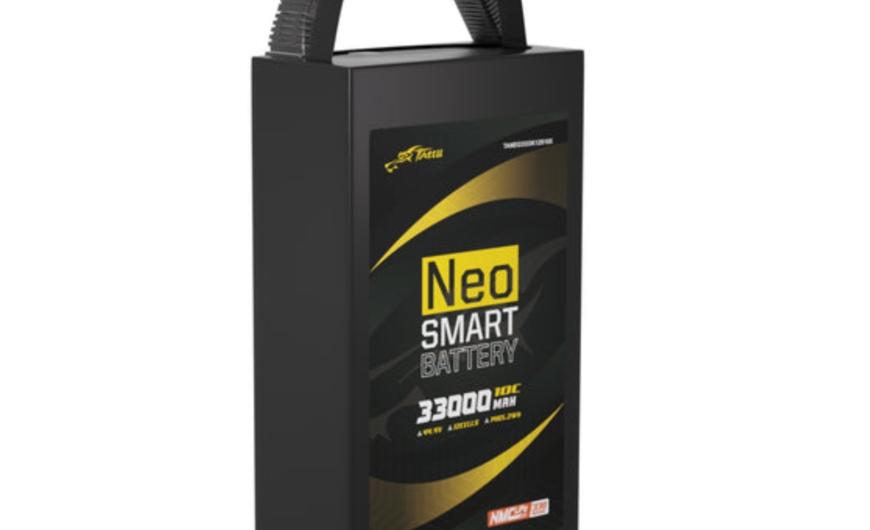
How to size a UAV battery: hover current, pack capacity and a realistic flight-time estimate for your payload class, with worked examples.
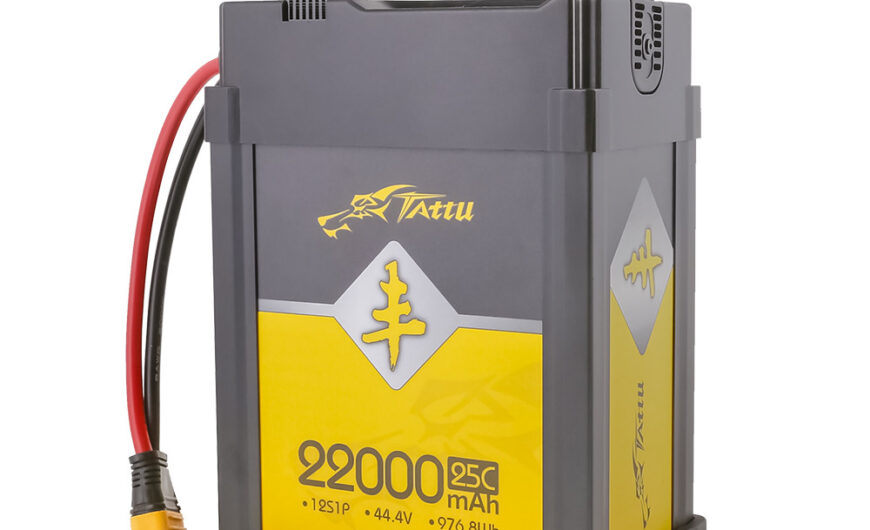
UAV battery guide: how voltage and capacity decide flight time, plus how to size a pack for your payload. Written from real build experience.

LiPo vs Li-Ion for drones: energy density, C-rating, cycle life and where each chemistry wins on a working UAV.
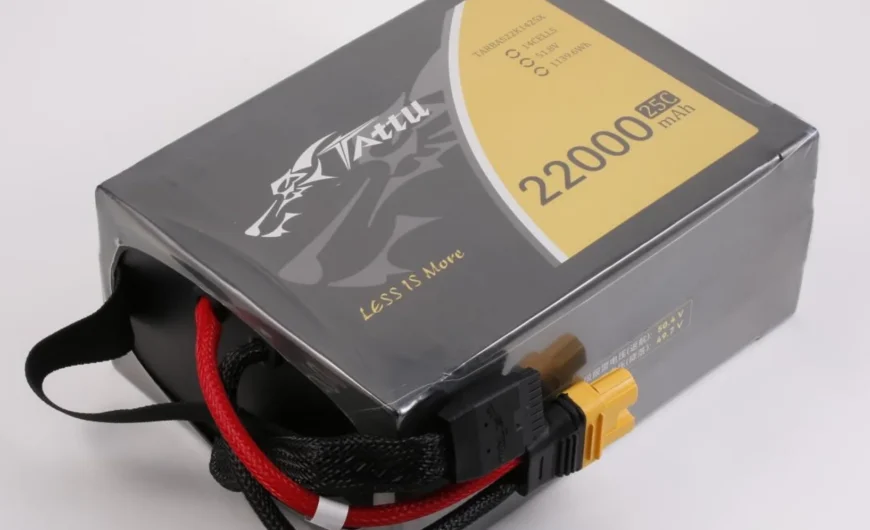
Essentials for Selecting Agricultural Drone Batteries: Analysis of Voltage, Capacity, and Return on Investment Starting Part Agricultural drones are widely used in agriculture. Choosing the appropriate battery is an important factor related to work efficiency, downtime and income. This guide focuses on related aspects for discussion. The battery voltage of…

For pilots, educators, and teams running micro drone programs — whether it’s FPV racing, drone soccer, or classroom training — battery management is a constant bottleneck. You need fast, safe, and scalable charging that keeps up with high-frequency flight sessions. That’s exactly why we built the Tattu TA75.

Table of ContentsWhy Modern Commercial Drones Need 14S High-Voltage Smart BatteriesFull Technical Specs of Tattu 4.0 20000mAh 14S1P LiPo BatteryKey Advantages: 14S 53.2V vs Traditional 12S Drone Battery3 Core Breakthroughs of Tattu Smart 4.0 Battery TechnologyTop Industrial UAV Applications for Tattu 4.0 20Ah BatteryCharging & Maintenance Tips to Extend Battery…
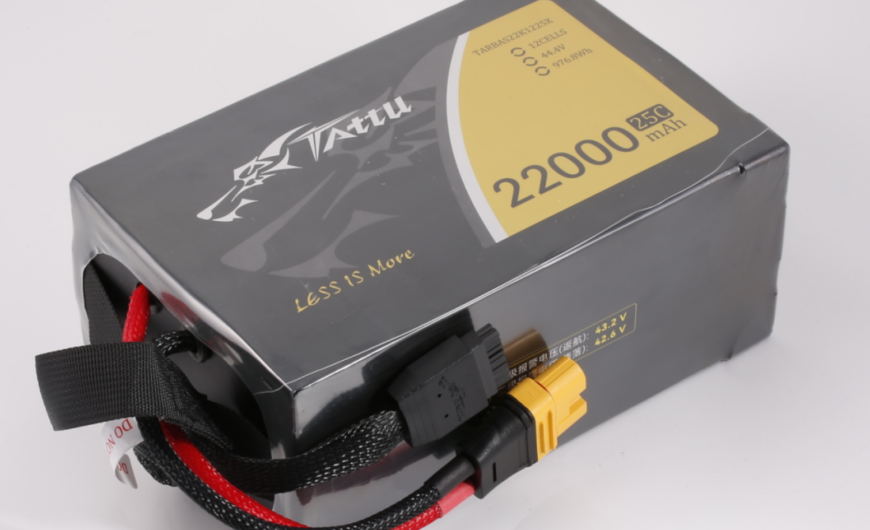
Quick answer: UHV packs push each cell to 3.95V, so a 12S pack runs 47.4V instead of 44.4V and an 18S pack 68.4-71.1V. The gain is current: 3,000W at 68.4V draws 43.9A against 67.6A at 44.4V, a 35% reduction in current and heat, which is why heavy-lift and agricultural platforms…
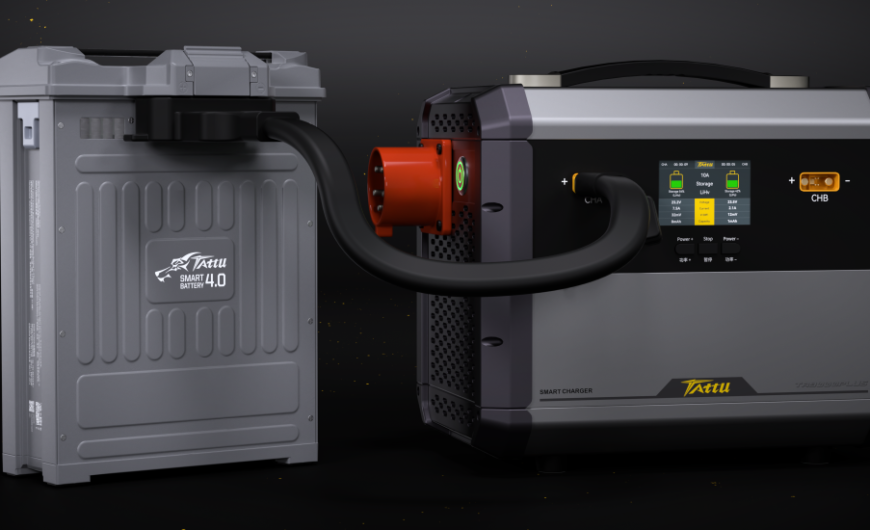
Quick answer: For most commercial UAV work - agriculture, inspection, mapping - semi-solid state wins: 300-350Wh/kg against 200-250Wh/kg means 20-75% more energy in the same pack weight and 30-40% longer flights. Choose traditional LiPo only when you need high burst current, 15-160C against 5-10C, or a lower purchase price, since…
Quick answer: Match the connector to current and capacity class: XT30 takes 30A continuous and 45A burst for 300-1,300mAh 2S-6S builds, XT60 60A continuous for 850-2,200mAh 3S-8S, XT90 90A for 2,200-16,000mAh 6S-12S, and AS150 150A for 10,000-40,000mAh packs. QS8 reaches 200A+ and QS12 300A+ for heavy-lift batteries, while JST-PHR suits…
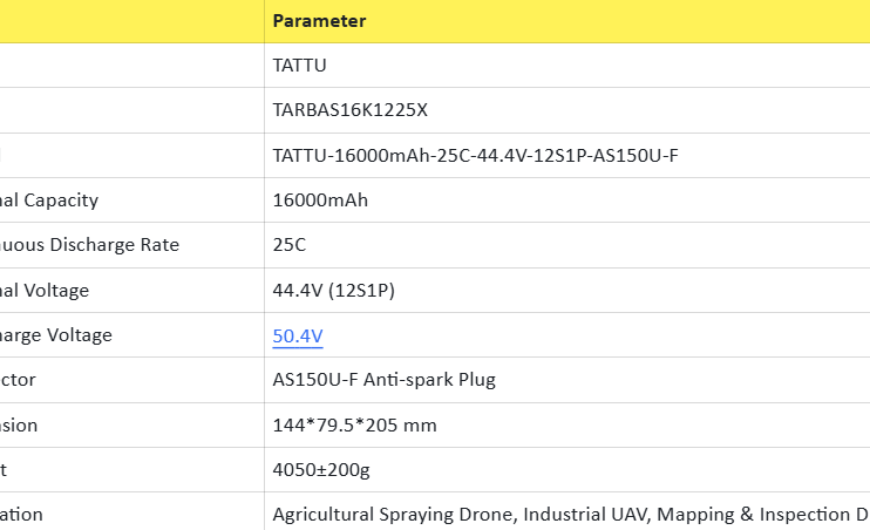
Quick answer: Flight time comes from energy per gram, not capacity alone. Practical gains: correct pack size (5-inch 1,300-1,550mAh, agricultural 12S 16,000-40,000mAh), HV cells for 5-10% more energy, semi-solid state at 300-350Wh/kg for 20-30% longer flights at the same weight, removing every unnecessary gram, and flying at 10-15m/s while landing…
0 items in the cart (€0.00)